Read also:
How to Watch FX Live Without CableHow To Watch AMC Without CableHow to Watch ABC Without CableHow to Watch Paramount Network Without CableEven within the endless chaos gripping 2020s cinema, several new filmmakers have emerged and excelled. That includes the creative duo Kelly O’Sullivan and Alex Thompson. Their first work, Saint Frances, dropped just three weeks before COVID-19 shut down indoor theaters. Even though many caught it on the small screen, Saint Frances was a tremendously moving exercise heralding the arrival of intimate and poignant fresh voices in the American film scene.
2024’s Ghostlight saw the writer/director duo* return and reaffirm they were no one-hit wonders. These two have a gift for plunging into existence’s ordinary corners and examining the complicated emotions of equally everyday people. Their immense artistic talents are reinforced throughout their latest gem, Mouse. However, in the title’s opening minutes, one detail accentuates their insightfulness.
That would be the sound of dog nails click-clacking against the tile flooring of a suburban home. Hearing that in my Mouse screening, I was instantly transported to countless houses in my childhood involving that inescapable noise. I could smell the house protagonist Minnie Dunn (Katherine Mallen Kupferer) occupies and imagine the days where that sound would drive her nuts. It’s a tiny detail. It’s also one so specific to cramped Southern homes (Mouse takes place in Arkansas). Mouse thrives lingering on such minute elements.
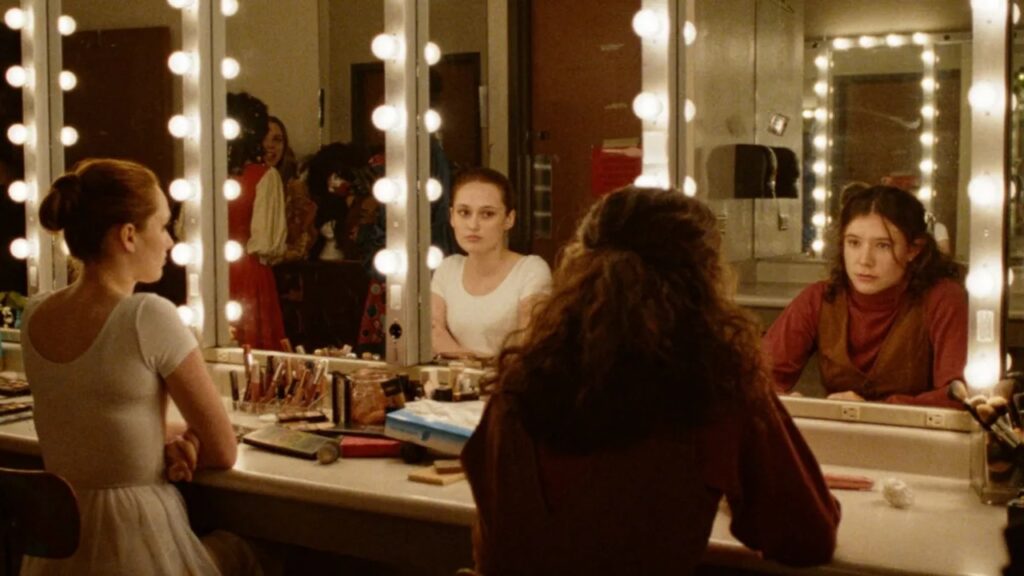
High Schooler Minnie doesn’t talk to many people. She’s naturally withdrawn, a girl content in the very back of any school play rather than the lead. While she’s estranged from her mom, Barbara (Tara Mallen), Minnie lights up anytime she’s around her best friend Callie Bell (Chloe Coleman). She’s the total opposite of Minnie, an exuberant theatre kid popular with everyone, harboring dreams of venturing to New York City for college. “I could never forget you, you take up too much space,” Minnie tells Callie on her birthday.
Now, as her senior year begins, Minnie’s clinging to every memory of her best friend. Three months earlier, Callie died in a car accident. That’s left everyone in this community haunted, particularly Callie’s mom, Helen (Sophie Okonedo). One random night, Helen and Minnie end up hanging out and uncover solace in each other’s company. The ups and downs of grief are treacherous to navigate alone. Even with this unexpected friendship, Helen and Minnie vividly realize this truth all throughout Mouse.
It’s a privilege basking in artists absolutely excelling in their craft. Sophie Okonedo’s Mouse performance offers viewers a chance to do just that. Midway through this feature, there’s a moment, captured in a tight close-up, where Helen gazes at Minnie dancing with a boy at the homecoming dance. Just through her expressions, Okonedo communicates an avalanche of aching emotions swirling around in this woman’s head. Quiet relief Minnie is socializing with somebody her own age. Agony over imagining Callie dancing at this function. Concern in case something befalls Minnie.
All of this and more, through one close-up shot. Okonedo’s facial expression here is more layered and impactful than many entire performances in 2026’s cinema scene.
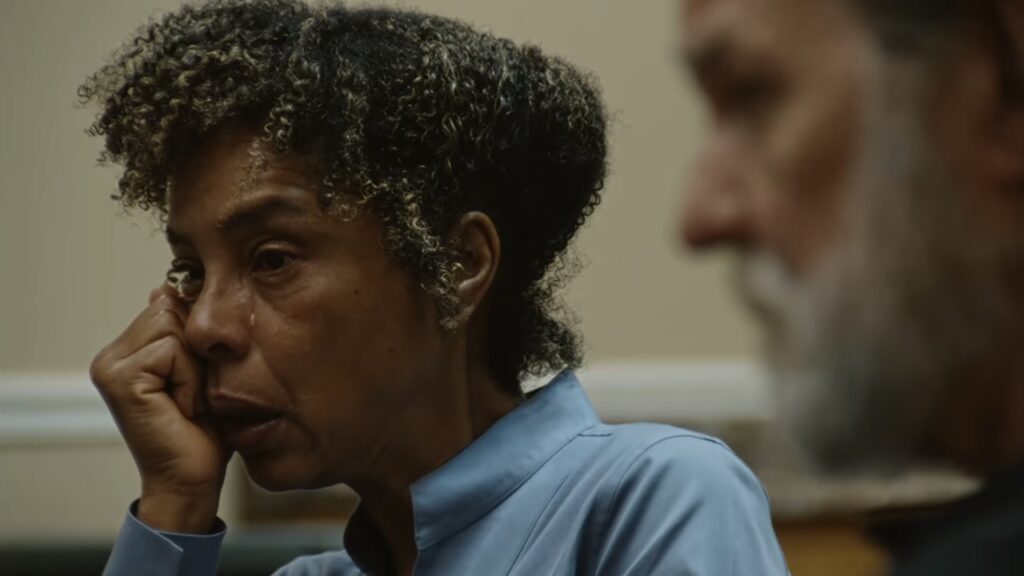
Okonedo’s tremendous acting chops prove perfect for a movie exploring the challenges of coping with grief long-term. “It’s not lonely at first. There are cards and enchiladas,” theatre teacher Mr. Murdaugh (David Hyde Pierce) remarks about losing someone in Mouse, “Then time passes. And you’re often alone.” Mouse occupies that difficult, lonely space. Both the script and performances excel traversing the winding, jagged roads heartache takes people down. Here, that road includes a teen and a mother bonding over the important person they’ve lost.
Just before that fateful accident, Minnie, whilst leaving Callie’s house at the crack of dawn, accidentally glimpses Helen sneaking a cigarette outside. It’s a beautifully filmed and realized moment (especially Okonedo’s faint wave at Minnie when Helen realizes she’s being watched) reinforcing immediately that this woman is a human being. She’s far more than just Callie’s mom. This reality proves inescapable for Minnie as she tenderly grows closer to this grieving individual. Sequences showing the pair connecting over dinner, homecoming dresses, or singing lessons are incredibly sweet.
Thompson, O’Sullivan, and cinematographers Nate Hurtsellers and Luke Dyra capture these quiet, vulnerable segments with unintrusive, yet impactful filmmaking. It’s especially welcome that this group allows scenes like Helene recounting how she went from being a British musician to a stay-at-home Arkansas mom with minimal distracting cuts. Less confident films might feel, out of concern for “boring” the audience, compelled to incessantly cut around from one medium shot to another. When your dialogue and performances are firing on all cylinders, though, restrained visual cues, like love in a Beatles song, are all you need.
Speaking of dialogue, Mouse’s rawest, most heartbreaking words absolutely cut to the bone and tear ducts. Often, these manifest in shatteringly subdued terms. There’s this early conversation between Minnie and acquaintance Brad Hugg (Beck Nolan) where the latter character softly asks aloud, “am I going to Hell?” Earlier, the quietly queer Minnie sits in between classmates (like Callie) who’re way enamored with wondering aloud, “Is Mr. Murdough gay?” “No! He can’t be!”, one student remarks, “He’s Christian!”
Kupferer’s naturalistic and affecting acting portrays Minnie not moving, her eyes and body language keeping her discomfort stifled. Yet she still conveys how this is yet another conversation making her uncomfortable with being herself. No wonder she yearns to fade into the background. Equally as heartbreaking are moments where viewers seeing Minnie lying silently on her sofa, watching a TV blaring her umpteenth viewing of Good Will Hunting.
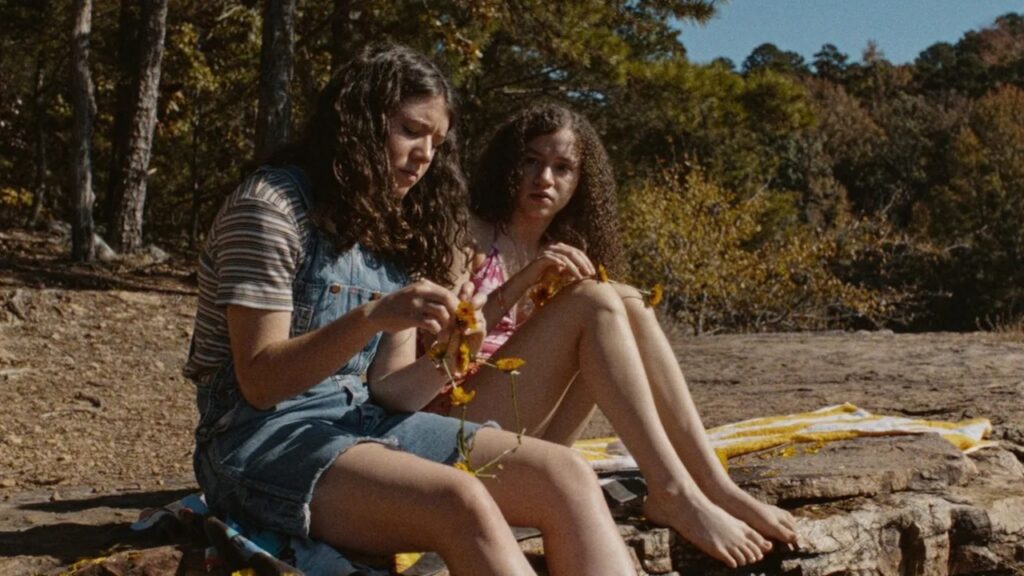
She and Callie joyously exclaiming “how do ya like dem apples?!?” in an opening Mouse scene immediately captures how important this film is for them. Kupferer’s dialogue-free depiction of Minnie marinating in Hunting is so subdued. Yet it vividly and achingly portrays a girl clinging to a movie because she can longer clutch the most important human being in her life.
Mouse’s script can also nail more externalized, louder displays of agony. However, those quiet manifestations of turmoil (like Sophie Okonedo’s homecoming dance facial expressions) are especially impactful. This wonderful script also delivers a handful of similarly successful subdued moments on the opposite end of the tonal spectrum. The quiet phone conversations or affectionate gestures between Minnie and her crush Kat (Iman Vellani) also soar because they’re soft-spoken.
Mouse’s subdued artistry echoes Past Lives or Sorry, Baby; quiet 2020s movies gifted in shattering your heart with just a perfectly timed cut or tenderly delivered verbiage. Speaking of two movies Mouse echoes, like with their prior works, Kelly O’Sullivan and Alex Thompson movingly portray how none of us can exist alone. We all need friendships. We all need connections. Other people are essential, especially when the most harrowing emotions grip our souls. None of those bonds last forever, but O’Sullivan and Thompson’s works show how that finitude makes those dynamics even more precious.
Their commitment to this concept (and unflinching portrayals of messily processing grief) is sharper than ever in Mouse, especially since Okonedo and Kupferer anchor the proceedings with riveting performances. Navigating existence or loss isn’t easy. However, it’s quite easy recommending sublime and powerful features like Mouse.
*= Only Thompson helmed Saint Frances. They’ve since directed together, while O’Sullivan has been the sole screenwriter of all three of their titles.
Mouse is now playing in select theaters