Read also:
How to Watch FX Live Without CableHow To Watch AMC Without CableHow to Watch ABC Without CableHow to Watch Paramount Network Without Cable“When you turn on the light/It’s just an apparition/Now I believe in ghosts.” Kacey Musgraves crooned those words on the Middle of Nowhere track “I Believe in Ghosts.” Many viewers of The Last Picture Shows will also emerge with similarly renewed beliefs. Director/writer/producer Rustin Thompson’s documentary takes viewers across ten Western American states, exploring 123 independent theaters navigating the tumultuous world of 2020s exhibition. Existing in tiny towns, they sometimes play movies to empty auditoriums. Yet their owners persist.
The Last Picture Shows often wields a mournful ambiance with multiple montages depicting crumbling theaters or former historic theater locations. A weary Zou Muth tune plays, suggesting a funeral for Marcus Loew attended by downbeat country acts. The film is cognizant of what’s been lost in America’s theatrical exhibition sector, especially in smaller towns. Still, it isn’t just here to capture the death rattle. Interviews with the folks behind Barnyard Cinema, Eltrym, the Ruby Theatre, and many others illuminate what it takes to make rural theaters work in the 2020s. There’s passion and hope here alongside the grimness.
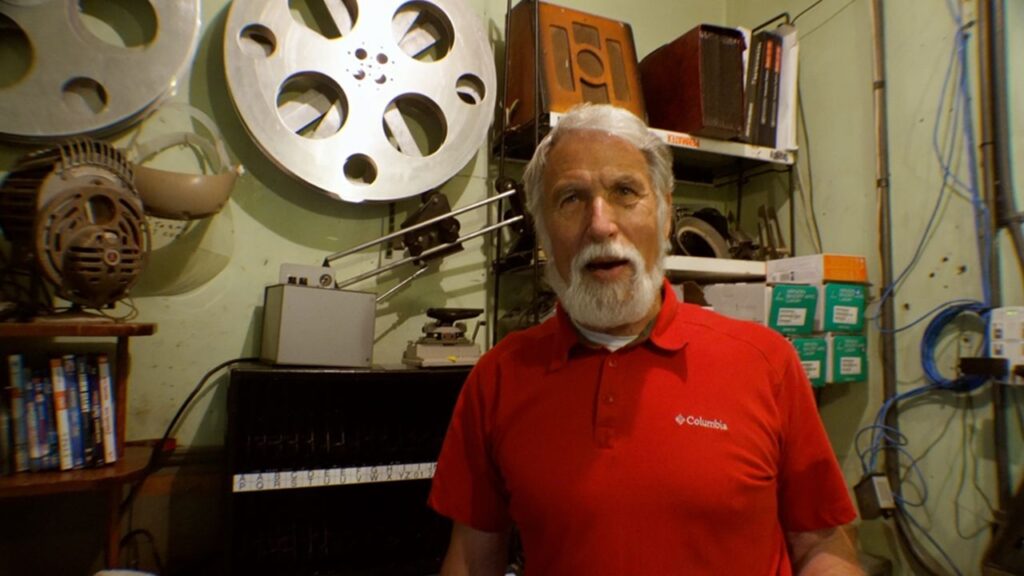
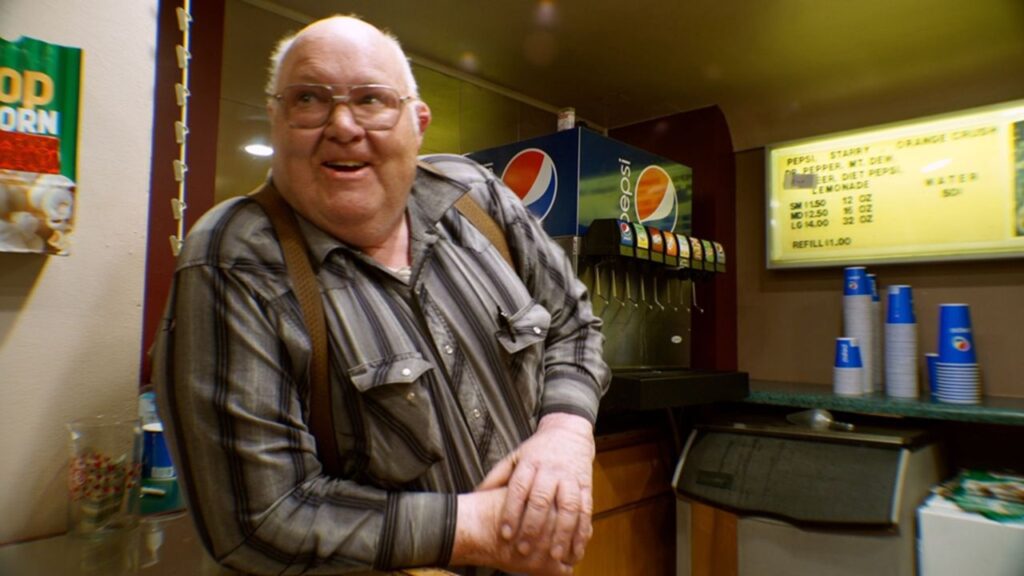
Folks like drive-in theater manager Mike Speiss talk with lived-in warmth about their families, who have operated these realms for years. There’s a moving pride in their rhetoric about holding on to these institutions across multiple generations. One of the earliest talking heads, when asked why he continues this often unprofitable enterprise, remarks, “The community gave back to me. Now I want to give back to the community.” Off the cuff, this manager beautifully encapsulates the vital communal functions of these theaters.
Classic works like Paris Is Burning, Harlan County, U.S.A., and Streetwise emphasized the lives of the cash-strapped and the too often ignored and erased. Today, with films like Melania, streamers and major studios have increasingly co-opted documentary film to normalize and center the perspectives of the powerful and wealthy. Who doesn’t want yet another opportunity to marvel at rich people’s mansions or their strange but still disappointingly bland lives? Like All the Beauty and the Bloodshed, Time, and No Other Land, The Last Picture Shows is a welcome 2020s refutation of this trend. Not once does Thompson’s camera alight on some Hollywood executive or marketing executive. Instead, it keeps those whose everyday lives revolve around maintaining these ancient theaters firmly in frame.
This includes yielding to the intimacy and unpredictability of theatrical spaces. At times, random moviegoers barrel through Thompson’s interviews. The moments provide the audience a glimpse of the theater’s typical rhythms, the jagged imperfection of the interruptions grounding the film. Similarly, a detour through a bathroom to reach the projection booth quietly becomes a metaphor for these businesses themselves. They survive by making use of—and holding onto—whatever space remains available.
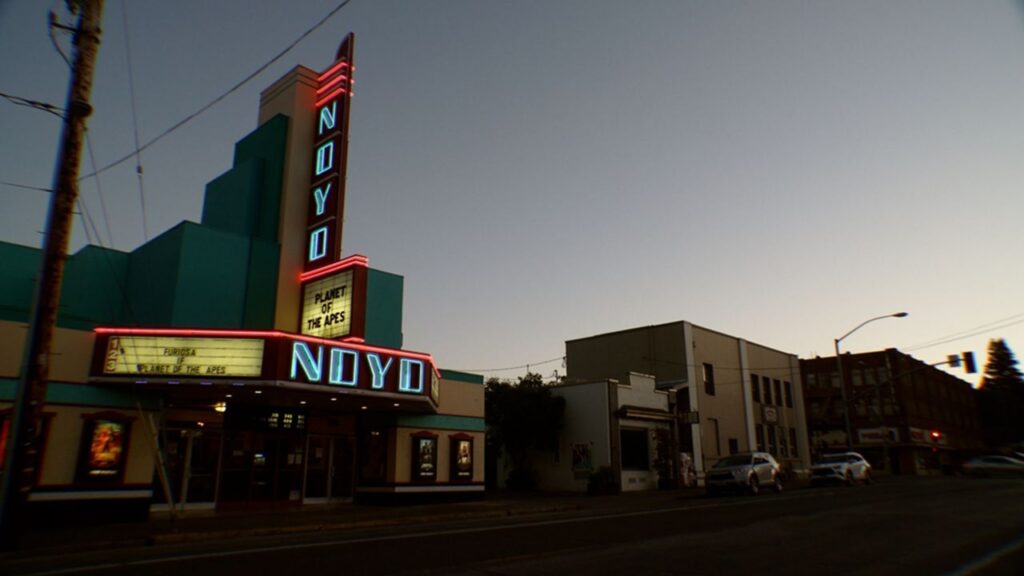
Too frequently, no matter how earnest or committed owners and employees may be, cold modern corporate entities subsume cinematic oases. Witnessing evocative displays of 21st-century capitalism overwhelming long-running theaters underscores the importance and urgency of their efforts to keep each space going.
Thompson also captures how the theaters are squeezed from both ends. On one side, corporations eager to gobble up theater spaces, plotting to remake them into cookie-cutter restaurants and personality-less stores. On the other, the movie studios. Through the repetition of signage for Shazam! Fury of the Gods, the director captures how owners of single-screen theaters like Eltrym and the Barnyard Cinema are forced to play unpopular blockbusters for weeks on end. The cost of not toeing the line is being denied access to films that do hit or might hold specific interest for the community. It is either conform or die, or conform and still possibly die. Every time Thompson cuts to advertisements for Shazam! Fury of the Gods showings, a shiver went up my spine.
While The Last Picture Shows captures these struggles vividly, the doc falls short on other details. For one, two mournful montages stack up too closely, undermining the intended ache with repetitiveness. There are also some odd visual choices, such as white text running over a skyward shot filled with the same color, or an early motif that repurposes footage from 1971’s The Last Picture Show, only to be abruptly abandoned.
Most frustratingly, the ultra-brief runtime—73 minutes before credits roll—left me yearning for further exploration. Sure, it’s always good to leave audiences wanting more. And yes, The Last Picture Shows does cram plenty of effective imagery and an appropriately intricate tone into that concise length. However, in the same way the film leaves one wishing the shuttered theaters could just get a bit more time, I couldn’t shake the feeling that a few extra minutes marinating in these everyday existences couldn’t have hurt.
The Last Picture Shows will begin screening across the Pacific Northwest on July 12, before a general theatrical roadshow release starting on August 7. For locations, showtimes, and tickets, click here.