Read also:
How to Watch FX Live Without CableHow To Watch AMC Without CableHow to Watch ABC Without CableHow to Watch Paramount Network Without CableI’ve spent the last week unpacking boxes and re-encountering personal items as I move into a new apartment. As I put things on shelves, just touching various mementos brings back avalanches of memories. My various Fantagraphics Complete Peanuts books, some tattered and barely holding together from 20+ years of moving and love, are intertwined with countless precious yesteryear events. Playbills, meanwhile, remind of wonderful stage musicals seen with my late Uncle Doug. Even old Cinemark popcorn buckets send me plummeting into recollections of pivotal moviegoing experiences.
The past never leaves us. It endures in so many different forms, both physical and psychological. Barbara Forever, a documentary chronicling legendary avant-garde filmmaker Barbara Hammer, constantly reminds viewers of this reality.
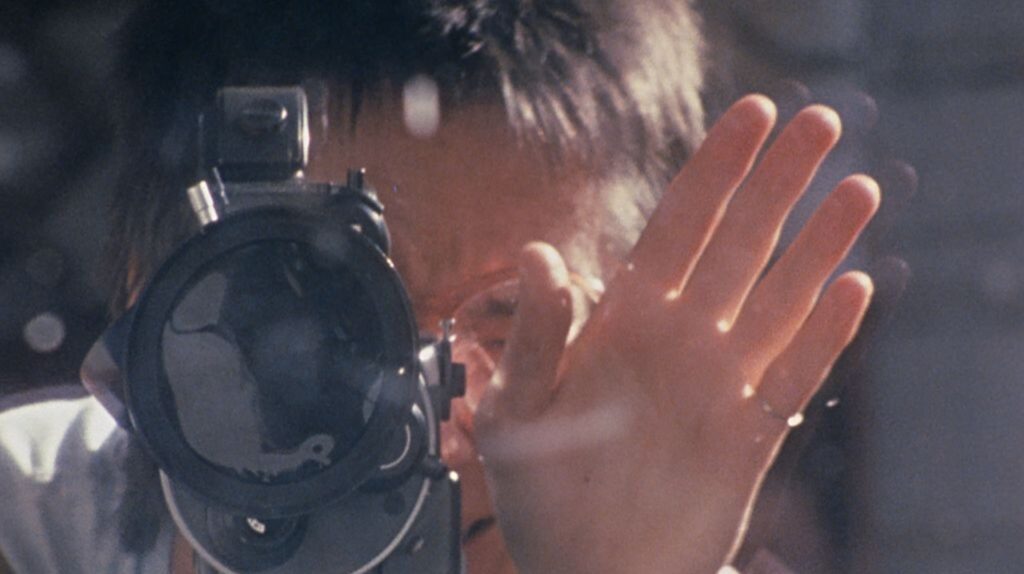
Though Hammer passed away in 2019, her films are still finding new audiences and impacting people. Director Brydie O’Connor further keeps Hammer’s spirit alive through centering Barbara Forever largely over footage she shot in her lifetime. As archival audio of this woman notes, Hammer rarely put down the camera once the filmmaking bug bit her. Thus, there’s plenty of intimate material she captured in every corner of her life. Rather than relying on traditional documentary staples (which can work divinely in certain features) like talking head interviews or filmed recreations, Barbara Forever is guided by its titular subject’s own images.
This combination of archival footage and vintage audio takes viewers down a largely chronological look at Barbara Hammer’s existence. It took her until she was 30 year old to realize she was a lesbian. However, once she had that epiphany, Hammer hit the ground running intertwining cinema and queer women perspectives. O’Connor’s feature provides intriguing behind-the-scenes glimpses at Hammer creating works like the short film Dyketactics.
However, Barbara Forever excels partially because of a willingness to concede its focus to other people. Other people fascinated Hammer. She loved interviewing other souls, hearing their opinions, lingering on their bodies. Dyketactics was all about poetically capturing unclothed queer women, for example, while Nitrate Kisses covered countless different subjects across various points of time. Meanwhile, one work that especially impacted Hammer was a movie lingering on her mother going into a nursing home.
Thus, Barbara Forever features footage of vintage 70s dykes marching on the street, Hammer’s interview with a Black lesbian who laments not seeing people like her on screen, or exchanges with other lesbians at an early 90s edition of the Sundance Film Festival. Ironically, in these moments where Hammer isn’t on-screen, Barbara Forever vibrantly captures her filmmaking priorities.
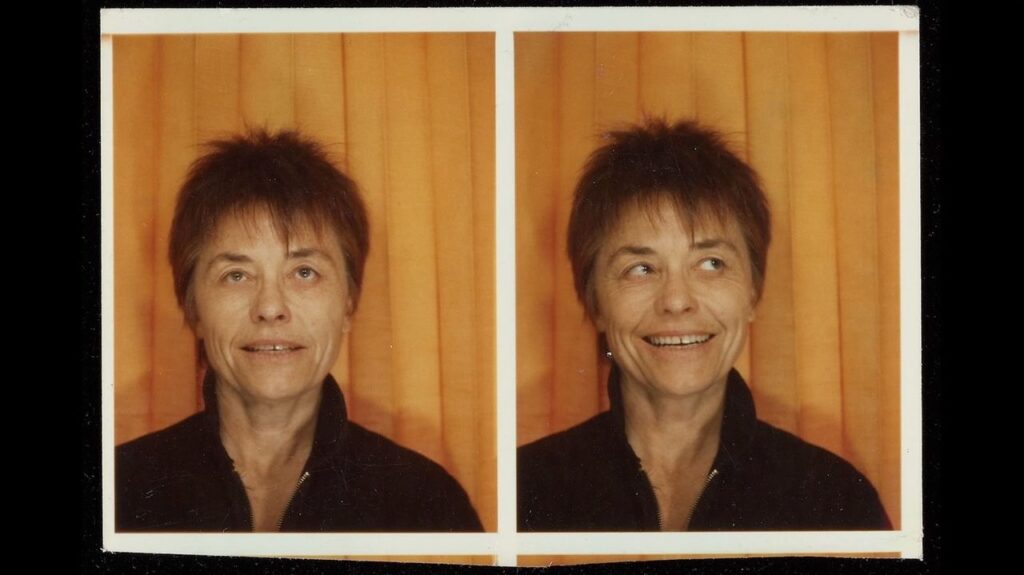
This detail speaks to the subtle intricacies O’Connor weaves into Barbara Forever that make it such a potent ode to an artistic icon. Similarly laudable is the feature emphasizing Hammer’s gradual ascent into certain career or personal achievements. This isn’t a hagiographic work organizing Hammer’s events into a tidy, succinct timeline. Instead, the feature as a whole and narration from the woman herself emphasize how core moments of her life came together piecemeal style. Hammer only discovered her sexuality at the age of 30. Her first New York art exhibit happened at 48 in 1987. A few years later, her first feature-length film (Nitrate Kisses) finally arrived.
This emphasis on Barbara Hammer’s incremental evolution eschews the “overnight success” sagas most documentaries opt for. Instead, Barbara Forever emphasizes a more down-to-Earth timetable for life’s grandest events. This only accentuates the realism of this portrait of Hammer. It also means this title has an appropriately unhurried sensibility that lets off-the-cuff material this director recorded breathe. That traits a Godsend if only because it ensured the inclusion of deeply cute home video footage of Hammer and her partner celebrating New Year’s resolutions in 1988.
That intimate segment crystallizes the tenderness and quiet melancholy permeating Barbara Forever. Hammer’s filmmaking style always brought viewers right into the middle of the action, whether that was two men having sex or plunging audiences into surrealist imagery. Similarly, O’Connor’s camera and repurposing of pre-existing footage submerges Barbara Forever spectators into this director’s mindset and the endless way she keeps enduring. “Every day, I get a request from somebody to screen one of her films,” Florrie Burke, Hammer’s widow, notes in an interview segment, “And she’s alive.”
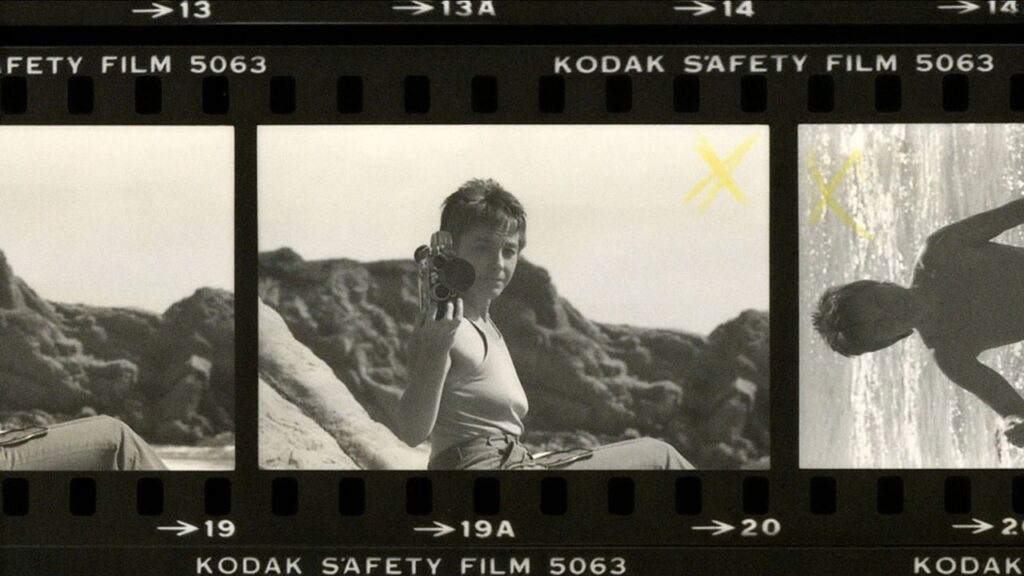
O’Connor’s precise pairing of vintage Hammer testimony with assorted images from her work similarly underscores this concept. “Who makes history? Whose left out?” Hammer inquires as Nitrate Kisses footage flickers on-screen. “We are history,” she eventually declares. Constant pearls of Barbara Hammer wisdom, like “There’s no truth, there’s multiple ways of being”, would stir souls in any context. Within this documentary, though, they resonate as especially moving microcosms of themes driving her entire body of work.
Barbara Forever excels not just as a cinematic distillation of Barbara Hammer’s artistry. It’s also superb documentary filmmaking on its own terms. The stirring visuals (like surrealist imagery accompanying Hammer’s anecdote about a pivotal early sexual experience) and evocatively bittersweet ambiance are especially well realized. “Never stop thinking of yourself as history, preserve everything.” As I can attest from so many hours spent unpacking recently, every trinket is history. Barbara Forever chains together disparate Barbara Hammer-centric images and audio to vividly reflect preservation’s power. Even the most nonchalantly recorded home video can have beautiful significance.
Barbara Hammer begins its theatrical run on September 4.