Read also:
How to Watch FX Live Without CableHow To Watch AMC Without CableHow to Watch ABC Without CableHow to Watch Paramount Network Without Cable“When I see a botanical garden, I see a bunch of lonely souls,” says scientist Alice (Léa Seydoux). At first, that’s what Silent Friend seems to show us—a collection of lonely people scattered across oceans of time, seemingly bound together only by once setting foot on a German university campus. But what the film reveals, though, is that no one and nothing is quite so isolated as they seem. Silent Friend knows what connects us is an often intense and invisible web. Through three different storylines in two different centuries, it explores just how strong that connection can be.
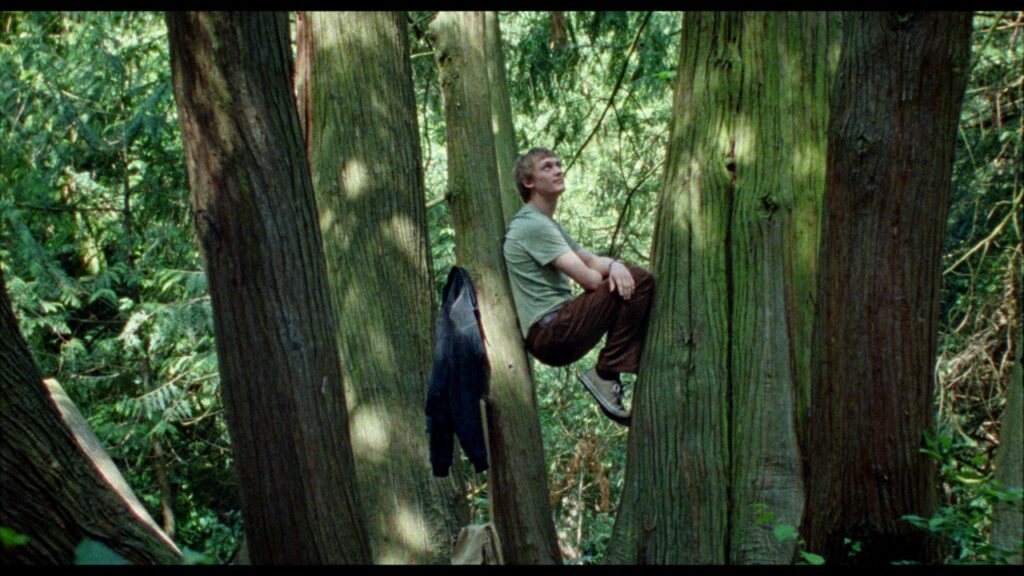
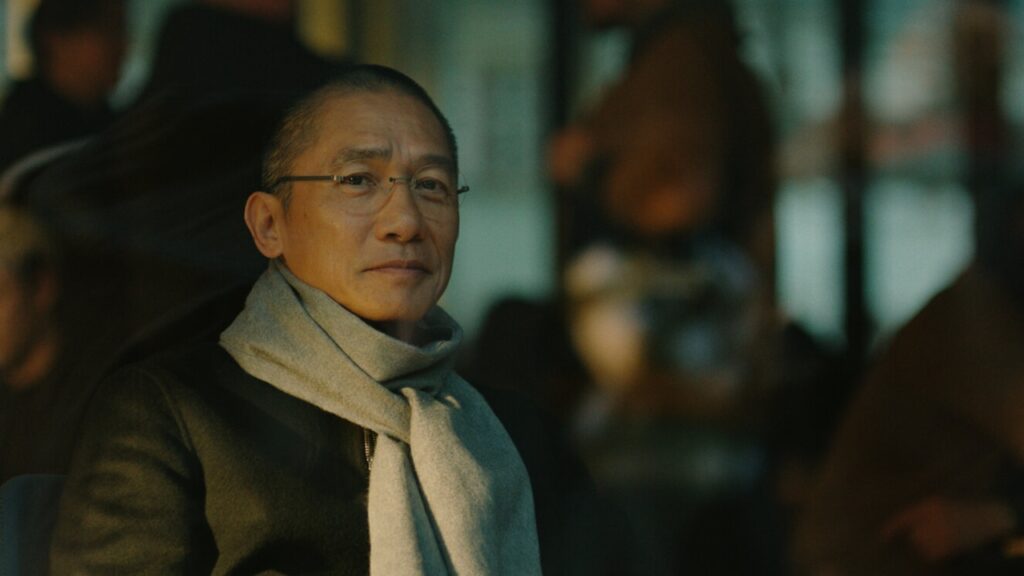
Dr. Tony Wong (Tony Leung Chiu-wai) arrives at Marburg University in Germany to teach a course and continue his research into newborns’ brain activity. The hitch? He arrives in early 2020, just before the Coronavirus pandemic explodes, shutting down the world and trapping him alone in the foreign university. Or almost alone. Aloof and prickly janitor/groundskeeper Anton is there keeping an obsessively close eye on him. As Tony wanders the empty campus, we also get the story of Grete (Luna Wedler), Marburg’s very first female student. In 1908, she fought to find her place and be taken seriously. Finally, there’s Hannes (Enzo Brumm), a former farm boy who professes to hate plants and yet can’t seem to tear himself away from them.
All three are misfits, out of place in the university world for disparate reasons. All find some moment of solace under the sprawling gingko tree that watches over them. Writer/director Ildikó Enyedi employs similarly distinct styles for each story. For Tony, she shot digitally, giving it a crisp, contemporary feel. She turns to black-and-white 35mm film with sharp contrasts to capture Grete’s story. Finally, she shoots Hannes in color 16mm, giving it a soft, dreamy feel. With both film segments, rather than digitally removing the texture, it is left in, the grain and flicker giving it all a more tactile quality.
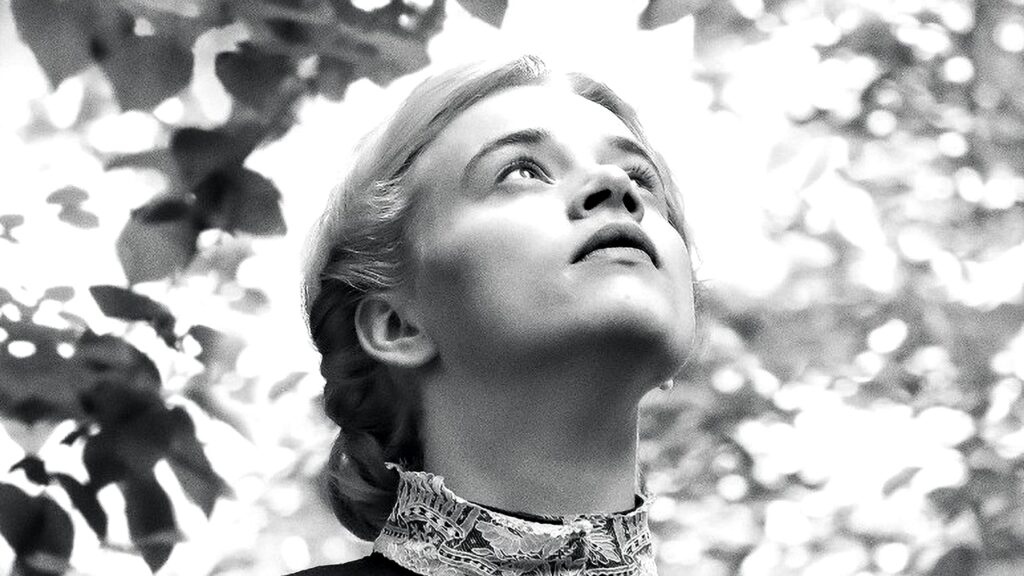
Shooting this way not only serves to distinguish the characters and their stories but also gives the film a unique cohesiveness. It makes these scenes feel like they belong as they are. It’s as if Enyedi simply discovered the footage instead of carefully crafting it.
That it feels utterly organic is surely no happy accident in a movie about plants. It’s another way of saying that, for however isolated these characters may feel, they belong. Where they find themselves is exactly where they belong.
Part of what makes Silent Friend so special is Enyedi’s refusal to shy away from the ugliness that can be part of what binds us. Tony, dizzy from a few too many drinks at a university dinner, throws up at the base of the ginkgo tree. In that moment, the movie cuts to the most extreme of closeups. Not of Tony, no, but of the tree. As if under a microscope, we watch the vomit seep into the earth and travel down to the tree’s roots. Even his sickness can feed growth, life, beauty.
Importantly, the ugly isn’t necessary for that growth. It’s far from the main source of it, even. But Enyedi argues that all of our experiences can feed us if we let them. “Experiments can be weird sometimes,” Tony states plainly while hooking up a series of electrodes to the gingko tree, giving the sense that he’s talking about more than just science. The path toward knowledge, progress, and understanding is never really going to look the way you expect it to. Life doesn’t really work that way. Nonetheless, Enyedi knows that’s not a tragedy. It’s just part of what makes living so exciting.
Silent Friend spreads its branches in select theatres May 15.