Read also:
How to Watch FX Live Without CableHow To Watch AMC Without CableHow to Watch ABC Without CableHow to Watch Paramount Network Without CableAttending his first American Symbolism 101 course at community college. Binging a Turner Classic Movies marathon of Westerns. Getting his favorite table at Golden Corral snatched by somebody wearing a Black Lives Matter t-shirt. These must’ve been the “canon events” that spurred the creation of writer/director Ari Aster’s Eddington. Any more profound origins would be ill-fitting for a feature so shallow. The Hereditary/Midsommar auteur’s creative reach hasn’t just exceeded his grasp. It’s like he’s barely reaching out at all in this limp slog.
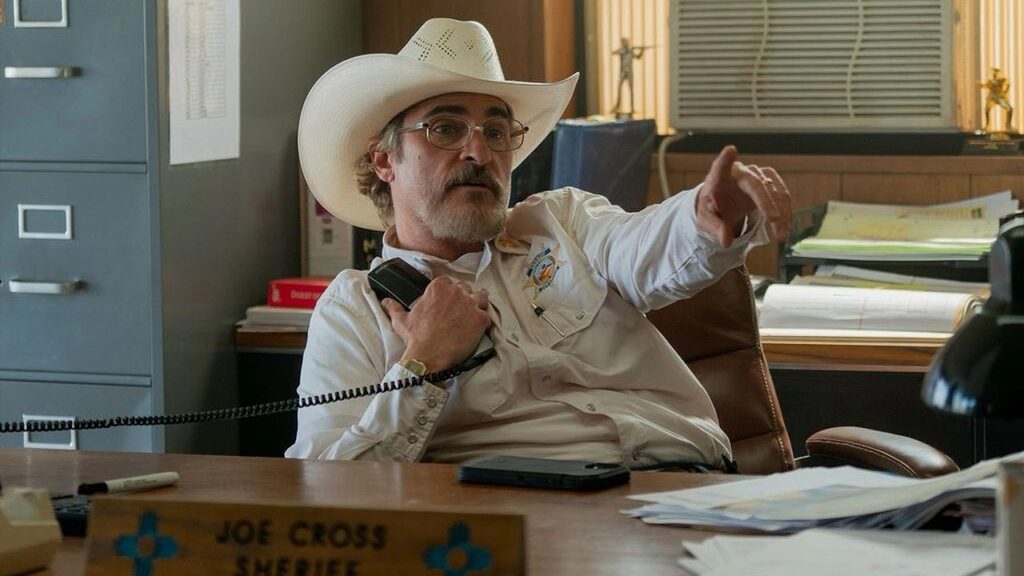
Like past works, Midsommar and Beau is Afraid, Eddington is another genre-blending Aster film. Most vividly a Western, it also aims to mimic the “ripped from the headlines” suspense thrills of Uptight and the dark comedy social satire of The Death of Stalin or Sorry to Bother You. This multitude of influences converges on the small town of Eddington in the summer 2020. COVID-19 lockdown ordinances have set the residents on edge, including asthmatic, right-wing sheriff Joe Cross (Joaquin Phoenix), stoking his long-simmering rivalry with Mayor Ted Garcia (Pedro Pascal).
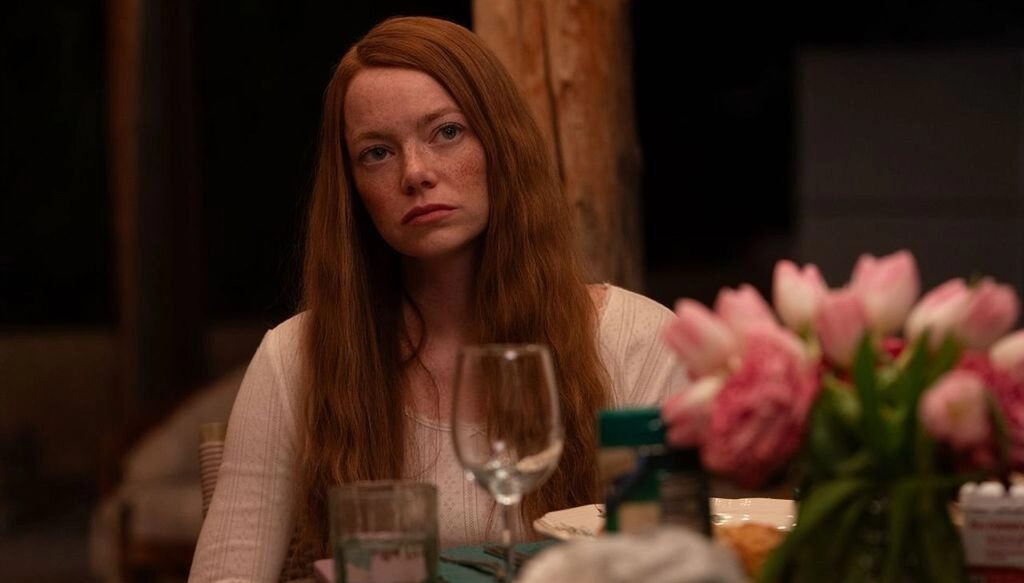
Eddington’s opening scenes find Aster attempting to wring his trademark squirm-inducing atmospheres of unease. However, there’s something off this time. Hereditary produced nightmares through unnerving, outsized imagery and creeping displays of abusive parenting. Beau is Afraid’s dreamlike atmosphere ensured anxiety or conflict could come from anywhere. This effort, meanwhile, has Cross repeating the same “masks inhibit our freedoms!” rants we’ve all seen on social media. It’s a regurgitation of familiar reality, diluting the potential for uneasiness. As a result, Aster’s script feels like cold leftovers from the days when titles like Locked Down were the only new movies the public could consume. If you were nostalgic for the days of Songbird, then this is your must-see movie of the summer.
Similar derivativeness plagues incessant shots from Aster and cinematographer Darius Khondji reframing “high noon showdowns” in modern contexts, such as two dudes facing off across a bar. The homage isn’t especially interesting or imaginative the first time around. It only gets worse with repetition. Frustratingly, it also reflects Eddington’s half-baked approach to the Western. Some of the images and music cues evoke the genre, but it’s all surface-level references rather than absorbing recontextualizations.
Further artistic tedium sets in once Cross vows to run for mayor of Eddington. These political ambitions don’t just put a strain on his wife, Louise (Emma Stone). They also collide with the surging Black Lives Matter movement taking the town’s teen and college-aged adults by storm. The feature loses its way with any material involving young people as activists. And while it doesn’t help, it isn’t just because Aster uses this subplot to hinge a crowdpleaser comedy moment around the R-word like he’s writing the “hottest” Judd Apatow yukfest of 2007.
Instead, the problem is that, much like the protestors in Kathryn Bigelow’s Detroit, the BLM activists in Eddington are nothing more than vaguely defined, noisy shadows. Aster knows headlines related to these protests. However, he doesn’t have anything profound to opine on them. Thus, he settles for wishy-washy political commentary. Awkwardly composed shots emphasizing similar noisiness and aggressive physicality in Cross and an outspoken young woman in the rally suggest “we’re not so different, you and I.”
Movies ranging from White Dog to Killers of the Flower Moon dared to take concrete stands. They harrowingly suggest evil lurks anywhere, including in faces in the mirror. Eddington, meanwhile, settles for name-dropping George Floyd, “white abolitionism,” and suggesting that two opposing parties yelling at each other are equally at fault, no matter the larger context. Aster’s provocative sensibilities “mysteriously” vanish whenever politically challenging material threatens to waltz onto the screen.
Most disappointingly, the Aster who so impressively refined his comic chops in Beau is Afraid is nowhere to be found in all the fiery political content. For instance, moments mocking neo-liberal white BLM marchers (“my job is to sit and listen…after I finish this speech!” declares one white boy eulogizing a deceased person of color) were done infinitely better in Bo Burnham: Inside. More unique swings stumble because they rely entirely on pre-existing knowledge of Marjorie Taylor Greene and Tucker Carlson. Meanwhile, poor editing dooms a smattering of visual gags.
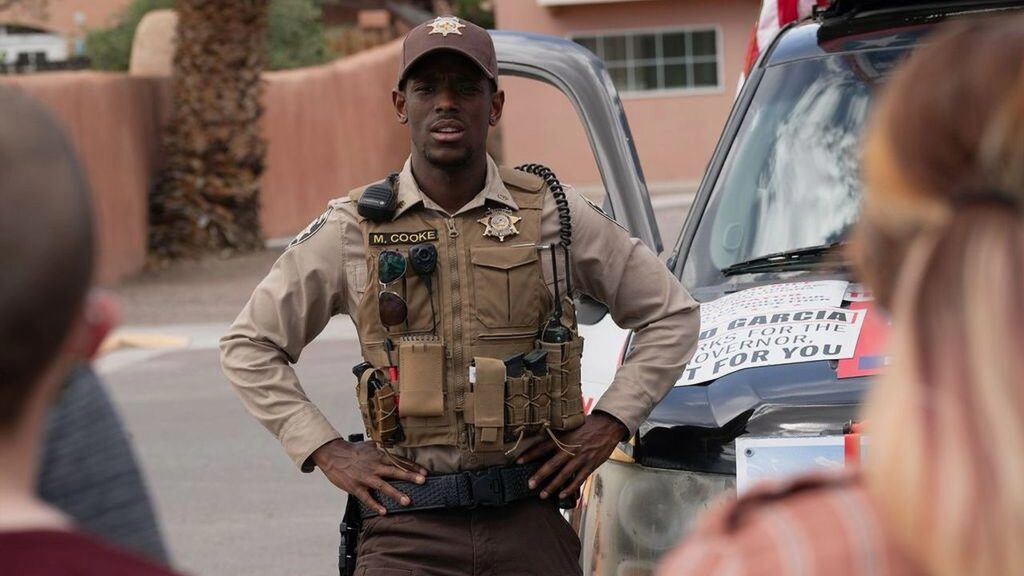
Equally miscalculated is the uber-arch acting. A relic from Beau is Afraid, this approach worked there to successfully evoke a relentless, heightened nightmare. Eddington, with an aesthetic more akin to John Sayles intersecting Armando Iannucci, has more grounded sensibilities. This leaves Austin Butler’s Not-Jared-Leto character, for instance, feeling gimmicky rather than interestingly bold.
If you’re an Eddington actor not wrestling for an inhaler or endlessly monologuing, chances are you’re just sitting around with nothing to do. Such is the fate of Micheal Ward and Emma Stone, among others. Past tremendous go-for-broke ruminations on American apocalypses like Babylon or Southland Tales gave every actor a chance to shine. Not so here. They’re all deferring to Phoenix, who, unfortunately, is nothing to write home about either.
Utterly sleepwalking through his asthmatic character, Phoenix’s Joe Cross is written as a bleakly comical schlub constantly out of his depth. In execution, he struggles to bring any specific personality to the part. If you want the good version of what this performance is aiming for, check out Simon Rex’s oblivious Red State maniac in Red Rocket. That bravura turn is infinitely more gripping than watching this Beau is Afraid veteran utterly phony in Eddington’s key role.

The same forgettability plaguing Eddington’s political commentary, comedy, and performances also permeates its imagery. One of Khondji’s most generically-lensed.features, there’s simply nothing interesting in this project’s visual aesthetic to captivate the eyes. Previously, Aster continued to expand his visual palette from one movie to the next. Beau is Afraid even went so far as to have extended bits of stop-motion animation. In contrast, this new endeavor firmly commits to drab imagery.
Such a downright lazy approach encapsulates what an empty motion picture this is. Ari Aster knows his way around all the big news headlines from summer 2020, including those murder hornets. However, just name-dropping and referencing current events from five years ago does not a movie make. Meanwhile, reveling in familiar cinematic approaches to representing marginalized lives like the unhoused ensures your movie can’t be as “transgressive” as Born in Flames or The Cremator. No matter how you consider it (a dark comedy, a Western pastiche, a searing indictment of 2020s political divisions), Eddington is an utterly shallow exercise.
Eddington moseys into lockdowns on yore, and into theatres, beginning July 18.