Read also:
How to Watch FX Live Without CableHow To Watch AMC Without CableHow to Watch ABC Without CableHow to Watch Paramount Network Without Cable1949’s Kind Hearts and Coronets was one of the last movies I would’ve expected to get remade in 2026. That’s no slam on the artistry of Coronets. The original Robert Hamer directorial effort is an enjoyable exercise letting Alec Guinness strut his stuff in a slew of different roles. However, it isn’t a project that’s endured as a super lucrative brand name into the modern-world. If a deluge of profitable Louis Mazzini Funko Pop’s were crafted, I’ve never encountered them.
Despite not seeming like a brand name ripe for 2026 exploitation, Kind Hearts and Coronets has, like Palpatin, somehow returned. Specifically, it’s re-emerging in theaters as How to Make a Killing. Here, the focus is on Becket Redfellow and the larger Redfellow family rather than Mazzini contending with the D’Ascoyne family. However, the basic gist remains the same. Once more, Becket is the working-class son of a woman who previously belonged to a wealthy family before her exile. Even when she was dying and needed medical attention, folks like her father Whitelaw (Ed Harris) refused to acknowledge her existence.
Their aloofness isn’t the only thing Redfellow element Becket’s aware of. He also knows there are only seven relatives in this family standing between him and a massive inheritance. This guy, tired of living at the bottom of the totem pole, embraces a blood-soaked scheme to shake up his life for the better. He’ll kill his Redfellow kinsfolk, one-by-one. Then all that moolah will naturally fall to him. Kind Hearts and Coronets fans will recognize that these relatives have only been slightly updated for the modern world. A Reverend, for instance, is here a megachurch pastor ripped straight from The Righteous Gemstones. Similarly, a boast-fixated uncle is now a rocket-obsessed rich guy in the vein of Jeff Bezos and Elon Musk.
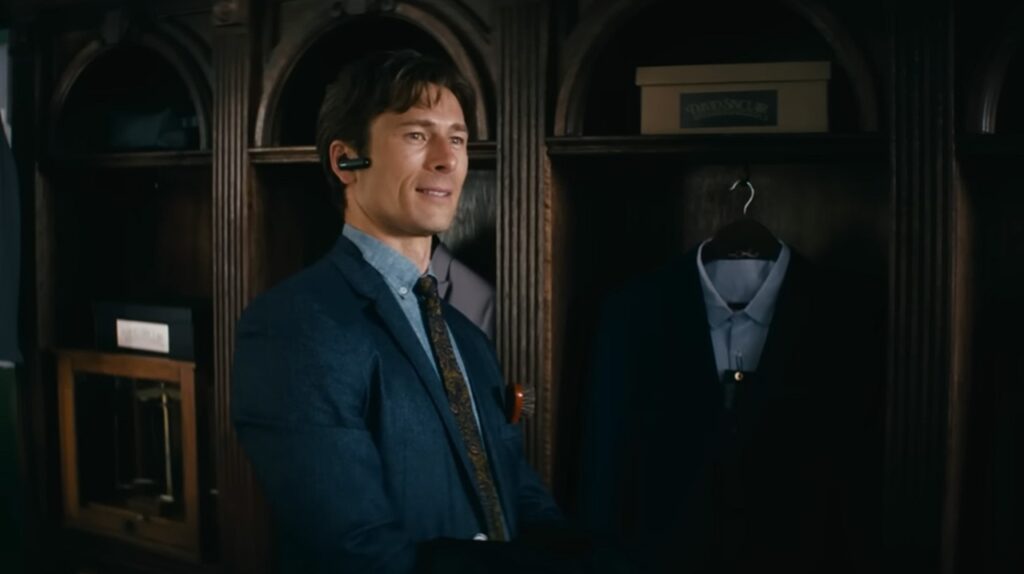
Adhering so strictly to the story structure and character beats of Coronets, unfortunately, solidifies a rigid, perfunctory ambiance to Killing. Even if you’re unfamiliar with the original film, the lack of unpredictability and verve is palpable. Despite the eye-catching, grisly title, neither the slayings nor the outrage at the bourgeoisie ever secures gasp-inducing potency. Everything here feels like it’s had its edges sanded off. Worse, there’s a didactic quality in Ford’s writing. Poor Bill Camp (play Becket’s uncle Warren Redfellow) delivers some of the worst of these lines from a hospital bed in an especially on-the-nose scene.
Obviousness isn’t a sin, but rote obviousness is a lot harder to forgive. Even the toxic traits defining the rich Redfellow family members aren’t especially creative or transgressive. Folks like a megachurch pastor caricatures or Temu Jordan Belfort don’t lend precise nastiness to this out-of-control family. They just feel like pastiches of better, similar characters. Plus, these individuals are frustratingly out of step with 2020s reality.
In an age where the wealthy openly use their millions to spread eugenics, racism, transphobia, and all other nastiness, it’s bizarrely quaint that How to Make a Killing’s vision of opulent debauchery is elaborate cannonballs into pools. Ford’s previous film, Emily the Criminal, effectively tapped into very authentic modern working-class frustrations. This included topics like the endless hoops you must jump through to get anything resembling a stable job. Killing, meanwhile, feels too breezy and like it’s tiptoeing around any material that could make centrist viewers squemish.
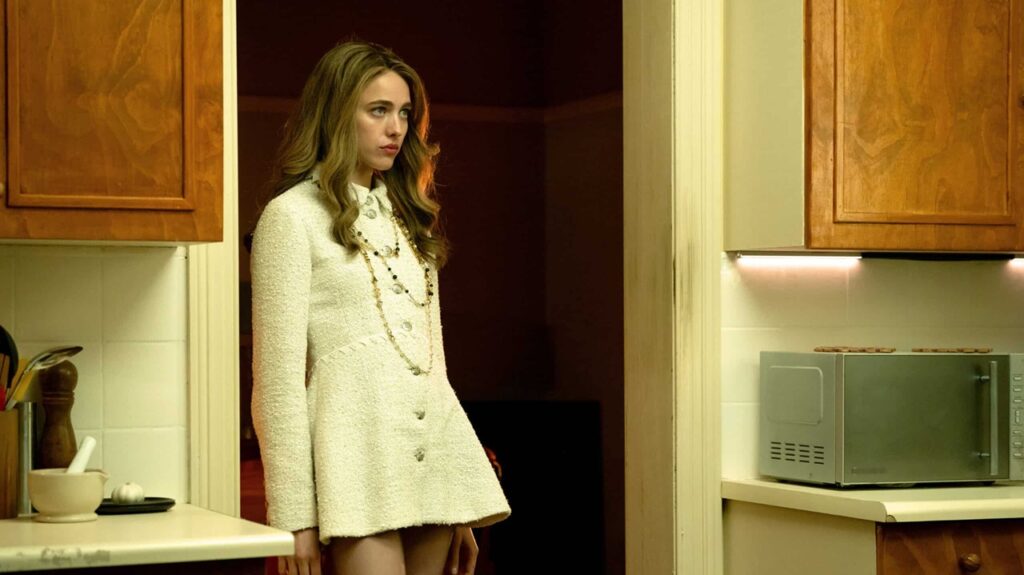
Only Zach Woods as wannabe pretentious artist Noah Redfellow has any specificity or teeth. The guy’s obliviously boneheaded comments are also hysterical thanks to Woods’ line deliveries. Other supporting players inhabiting the various Redfellow family members, like Harris and Topher Grace, also have moments where they shine. Mostly, though, the script lets these actors down. How to Make a Killing’s satirical portrait of the 1% lacks distinctiveness and wit.
Ford and cinematographer Todd Banhazl’s visual approach, meanwhile, epitomizes the film itself. Functional. Rudimentary. But also not especially memorable. The strangest shortcoming in Killing’s imagery is how stagnant its framing and camera angles remain even as Becket’s life gets more chaotic in the third act. Exuding an unpredictable or suspenseful atmosphere is difficult when the camerawork refuses to get wild.
Still, Ford’s visual chops (established so vividly on his 2022 film Emily the Criminal) mean Killing at least avoids that streaming movie sheen. Better yet, production designer Christian Huband and costume designer Jo Katsaras slay (no pun intended) in their respective departments. Huband especially excels in realizing the polished yet quietly confining aura in Becket’s cushy Wall Street workspace. This guy’s technically “made it.” However, the subtly constrictive architectural details in these lavish backdrops suggest how his sins still imprison him.
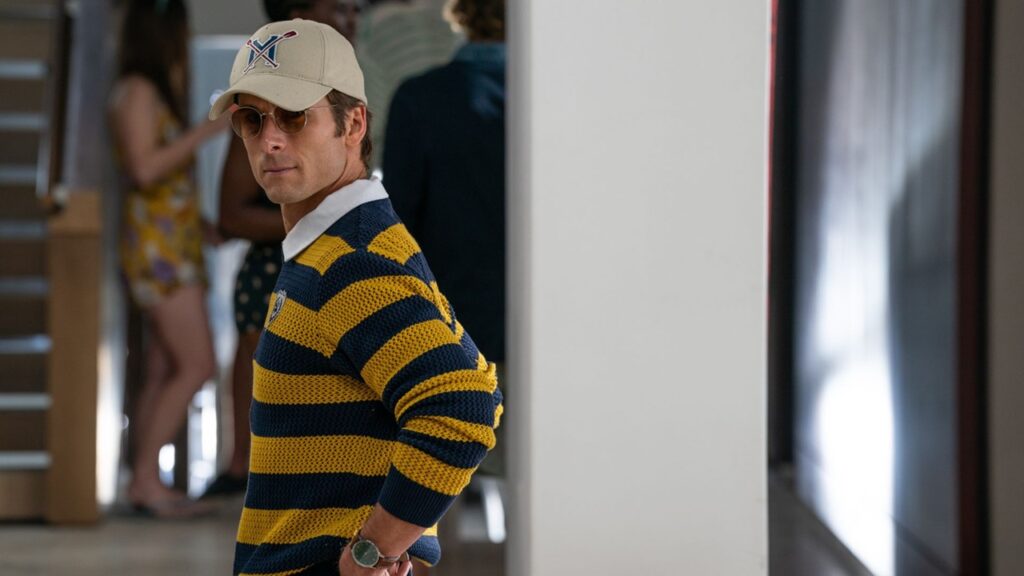
Killing also gets a boost from there being worse things than spending 100 minutes with Glen Powell. There’s too much voice-over narration from his character, while Ford’s script commits the same mistake as The Running Man in thinking Powell’s remotely effective slamming his fists on tables or externally expressing rage. However, his sly, puppy-dog air is a solid contrast to the character’s bloodthirsty streak. This Hit Man veteran makes it amusingly believable that Becket could slip in and out of places like a sauna or landing strip on his easygoing charms.
Even with its better qualities, How to Make a Killing never fully excels standing on its own two feet. Instead, it’s far too beholden to a vastly superior 1949 feature. Why watch something merely serviceable when you can experience the same material in a superior form? That’s a super frustrating flaw since the modern disparity between the haves and have-nots would suggest the time is ripe for a wildly new vision of Kind Hearts and Coronets. Instead, Killing is a cursory remake seriously b lacking a pulse.
How to Make a Killing begins its bloodbath in theaters everywhere on February 20.